
Garner Resident Lookup Sources
Use a name-verification trail, not one master list. The N.C. State Board of Elections Voter Search can establish that a person is registered at an address, while Wake County Real Estate Data connects a name or address to a tax parcel. A tax owner can be different from the person living there, so that distinction matters from the first result.
| Record | What it can confirm | Garner route | Access |
|---|---|---|---|
| Voter registration | Registered address, status, precinct, districts, and history | NCSBE Voter Search | Public fields, with protected fields withheld |
| Tax parcel | Owner of record, situs, mailing line, PIN, REID, and deed reference | Wake Real Estate Data | Free county search |
| Recorded instrument | Recorded parties, legal description, recording date, and book/page | Wake Register of Deeds | Online index and custodian request routes |
| Court case | Case number, party role, status, events, hearings, and disposition when public | NC eCourts Portal | Public portal and clerk access |
| Vital record | An event through the correct certificate or file route | NC Vital Records | Copies and certified access have limits |
A name with no address usually starts with voter search, then a Wake property or deed check if ownership is relevant. A family, estate, or event question may instead begin with the appropriate vital-record custodian. Court, directory, and state-registry results are corroborating layers. Each record has its own date, scope, and privacy rules.
Note: A Garner parcel result identifies a tax and ownership relationship, while a Garner voter result identifies a registration record for one named person.
Garner Voter Search Details
The state voter form requires first and last name plus at least one status selection. Add Wake County before comparing common names. Middle initial and birth year are optional filters, but a birth date is confidential and should not be copied into notes or shared. A successful public result can include registration status, residential or mailing address, precinct, districts, polling place, and recorded participation history. It cannot reveal how someone voted.
| Search field | Use for a Garner match |
|---|---|
| First and last name | Both are required by the public form. |
| Middle initial | Optional, useful when the name is common. |
| Year of birth | Optional filter for distinguishing records. Do not publish it. |
| County | Select Wake to narrow a statewide search. |
| Voter status | Choose Registered, and add Removed or Denied only when that history matters. |
When the online form does not answer the question, Wake Board of Elections can explain inspection or certified-profile procedures after required redactions. The state also provides public voter-registration data files, including Wake County routes, but the web form is not a browseable street roll. A library can help someone navigate the public tool, yet it is not the custodian of the voter file.
Insider tip. A voter address is a registration statement, not a list of every person at that address. Check a second, differently dated record before calling it a confirmed Garner resident match.
Reading Garner Court Matches
NC eCourts training resources describe Smart Search for publicly available criminal, civil, special-proceeding, nonconfidential estate, and other court information. Choose Wake as the location, then use Party Name with case type, filing date, and case status to narrow a name. A party may be a plaintiff, defendant, petitioner, respondent, executor, beneficiary, attorney, or another role. The role is as important as the spelling.
| Portal filter | What it helps distinguish |
|---|---|
| Party Name | Name variants and matching people. |
| Location | Wake County versus another North Carolina court location. |
| Case type and status | Public record category and current case posture. |
| Filing date range | Older and newer matters sharing a party name. |
| Case number | A known file with the most precise lookup route. |
The eCourts portal guidance identifies the public timeline details that can appear, including case summary, party information, events, hearings, disposition, judgment, and financial information when applicable. A docket is a case index and timeline, not the full file. Sealed, expunged, juvenile, adoption, and other protected matters can be missing or redacted.
The NC eCourts Smart Search resources show the current statewide court-search route after the October 2025 conversion. The screen is useful for preserving a case number and party role before asking the Wake Clerk for a public file or copy.
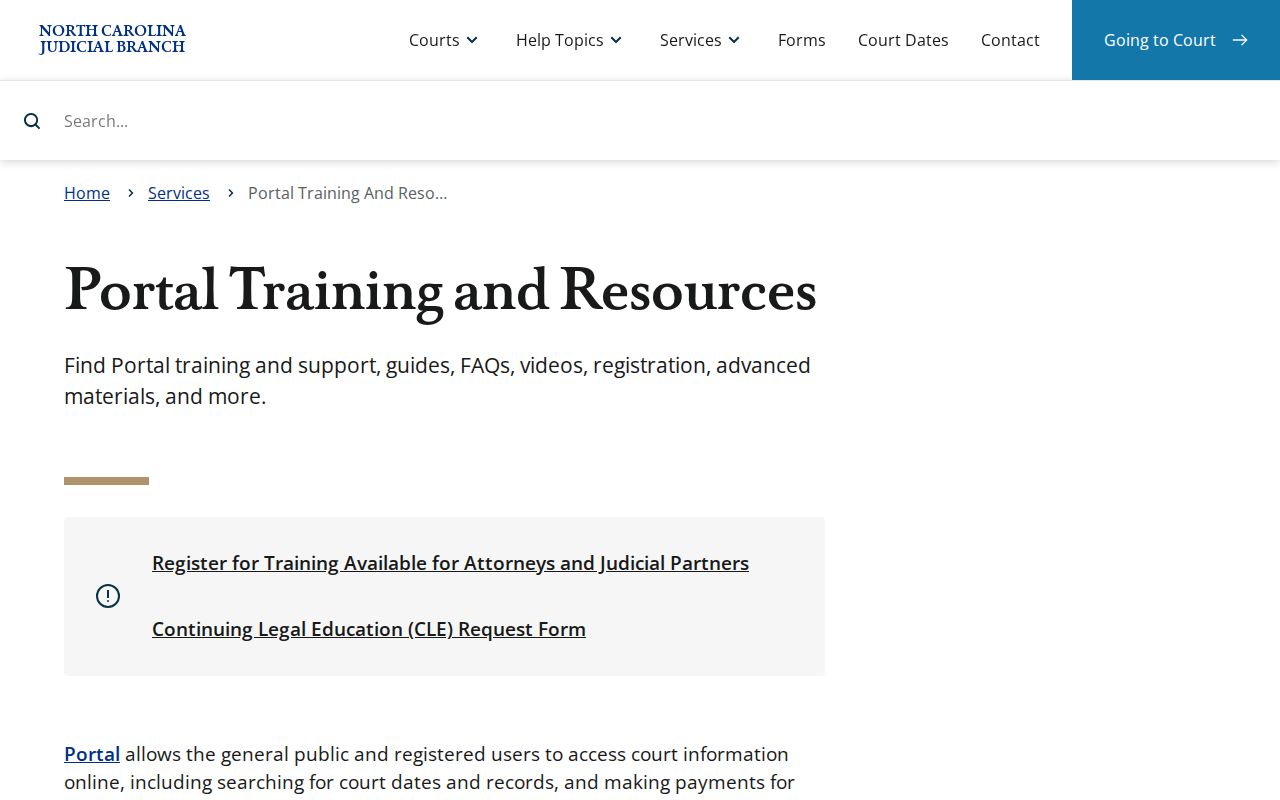
Use a result as a lead until the county, role, dates, and public disposition agree with independent records. An allegation is not a finding, and an unavailable image does not establish what a protected file contains.
Note: A Garner court case number is the most useful detail to preserve before asking the Wake Clerk about a publicly available file.
Confirming a Garner Resident
Verification means anchoring one name to a record that explains the connection, then checking it against a second source that answers a different question. Start with the address or registration clue already known. Then compare the property owner, recorded deed party, or court party role without assuming that a mailing line, tax entry, or case hit proves present residence.
- Search the voter form with first name, last name, Wake County, and the appropriate status choice. Save only the public fields needed to compare the match.
- Use Wake Real Estate Data or iMAPS to check an address, owner, REID, or PIN. Treat the situs address and mailing address as separate fields.
- Open the Wake Register of Deeds index by grantor, grantee, date, or book/page and read the recorded instrument. Confirm that a deed, rather than a financing or authorization record, supports the relationship.
- Use eCourts only after the address or ownership trail is clear. Match county, case number, party role, filing date, and public status before recording a conclusion.
For a complete court file, use the Judicial Branch public-record request route or contact the Wake Clerk. Public courthouse computers can search non-certified criminal records statewide or by county without charge. A certified single-county criminal search uses Form AOC-CR-314 and costs $25 through the clerk, by mail or in person; it is not a statewide certificate.
- Docket
- A court case timeline that lists public case events, parties, hearings, and outcomes. It is not the whole case file.
- Index and image
- An index points to a record. An image is the scanned instrument or document, which may have different access rules.
- Certified copy
- A custodian-issued copy for a defined legal purpose. North Carolina limits who may receive many certified vital records.
Garner Vital Record Channels
Birth, death, and marriage events in Wake County use a different path from divorce files. Wake Register of Deeds handles local birth, death, and marriage certificate routes, while Wake Clerk of Superior Court holds divorce files filed in the county. NC Vital Records research guidance routes older events to the proper local office, State Archives, or other historical channel. North Carolina does not offer a free public search for certificates.
| Question | First custodian | Useful fallback |
|---|---|---|
| Wake birth, death, or marriage | Wake Register of Deeds | NC Vital Records for the statewide route |
| Wake divorce | Wake Clerk of Superior Court | NC Vital Records certificate route |
| Birth before 1913 | Wake Register of Deeds where the event occurred | Church and family-record research |
| Death before 1930 | NC State Archives | Cemetery, obituary, probate, and newspaper evidence |
| Marriage before 1962 | Wake Register of Deeds | State Archives marriage-register research |
The Wake Register of Deeds vital-order portal lists birth, marriage, and death certificates alongside marriage-license and notary routes. It also identifies local order channels and the applicable fee information.
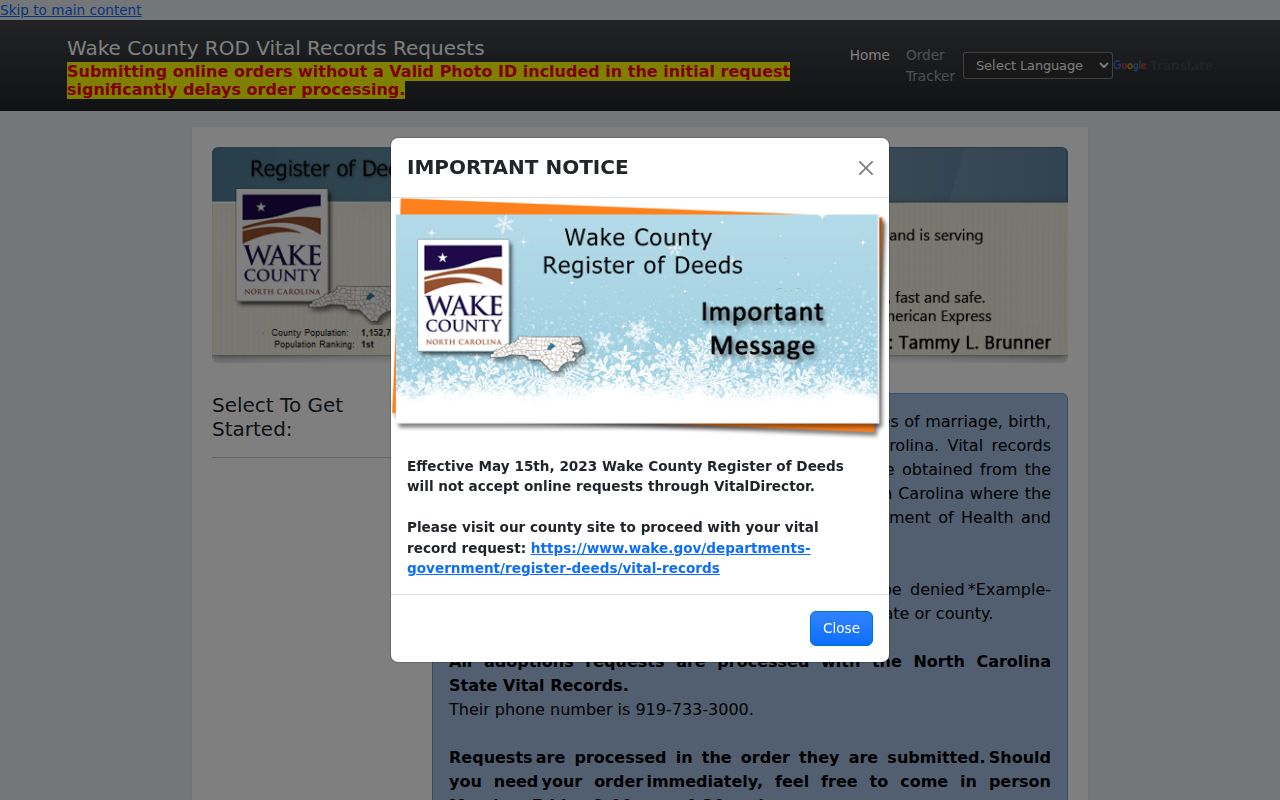
Certified copies require identity and eligible relationship or legal-rights proof under N.C.G.S. § 130A-93(c). Informational copies may be available subject to restrictions, but they do not serve the same purpose as a certified copy. Never claim a relationship that is not true.
Garner Historical Vital Routes
The North Carolina historical vital-record research page helps separate state holdings from older archival routes before an order is placed. Its routing avoids treating a missing web result as proof that an event never occurred.
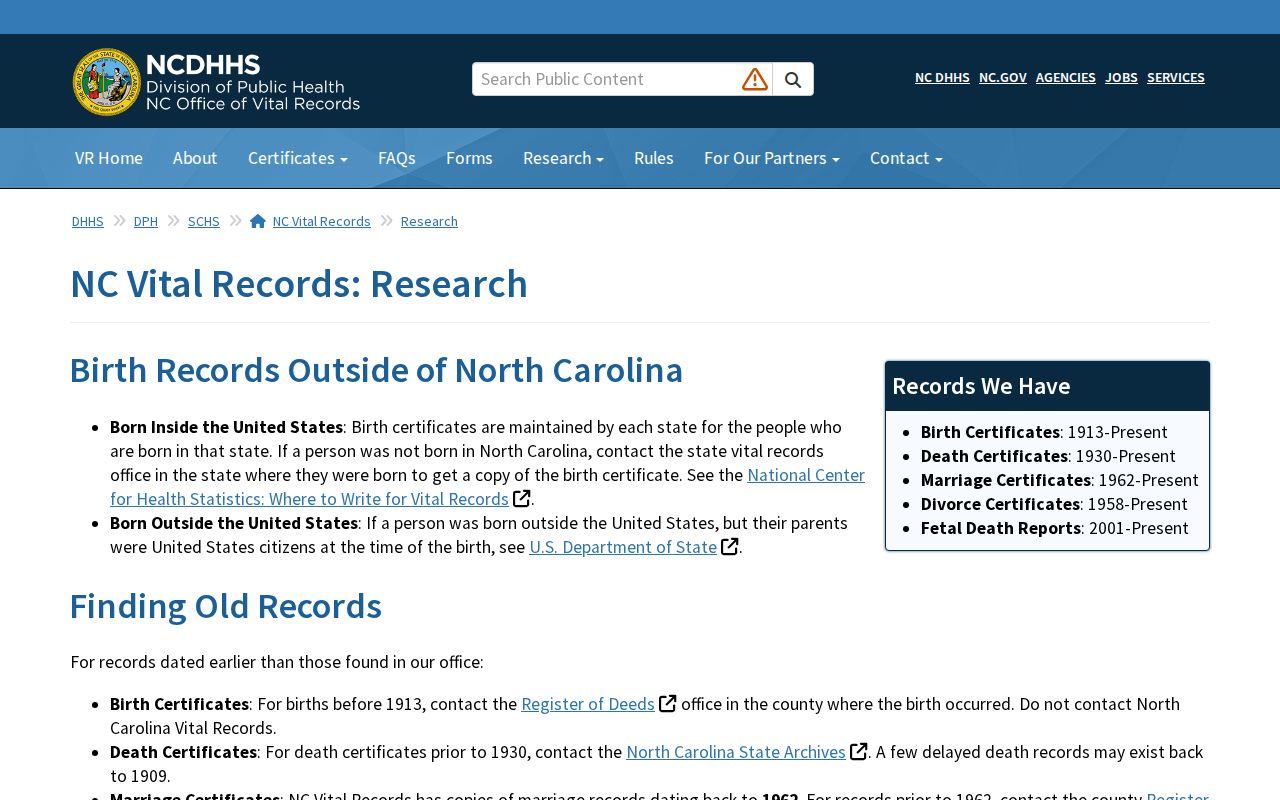
For a state order, the application asks for the record type, names, event date and place, and requester details. Online, phone, mail, and appointment routes have different requirements, so read the current form before submitting sensitive information.
Note: A Garner event can require a Wake, state, clerk, or archives route, depending on the event type and its date.
Garner Same-Name Myth
Myth: a matching name in an official index identifies the right person. In Garner, common surnames can appear in voter, deed, court, and directory results for different people. The Wake Register of Deeds itself advises searchers to try spelling variants and treat its index as a locator, much like a library card catalogue. Match a date, legal description, spouse notation, case role, or public address before connecting entries.
Recorded documents before April 18, 2025 use the legacy Wake route described in the Register of Deeds notice, while documents recorded after April 21, 2025 use the newer application. That split can matter when a search appears incomplete. The record date and the exact custodian belong beside every one-person verification note.
For an address-wide ownership trail, use the Garner street directory route rather than stretching a one-person search into a whole-street claim. It keeps parcel, deed, and address evidence in the right context.
Garner Adult Correction Search
State custody and registry tools answer narrow public-safety questions. The N.C. Department of Adult Correction offender search covers state prisoners, probationers, and parolees, with historical database information back to 1972. It does not include Wake County jail information. A county-custody question should go through the Wake Sheriff’s official route rather than an unofficial list.
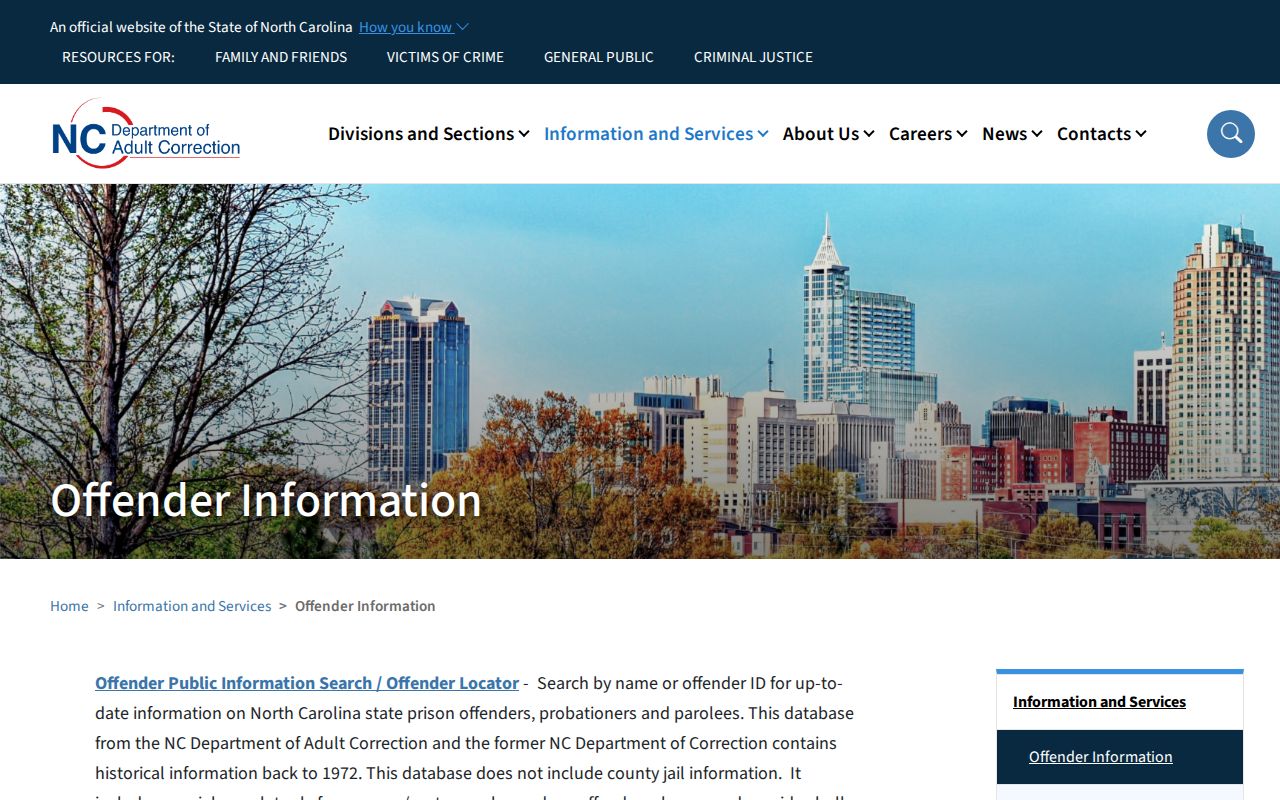
The Adult Correction screen identifies a state custody or supervision layer, not a complete criminal-history record. It cannot confirm Wake County jail status or a current Garner residence.
Garner SBI Registry Scope
The NC SBI Sex Offender Registry offers a separate public registry. It can be searched by name, city, ZIP, nearby address, or registration number as its current tools allow.
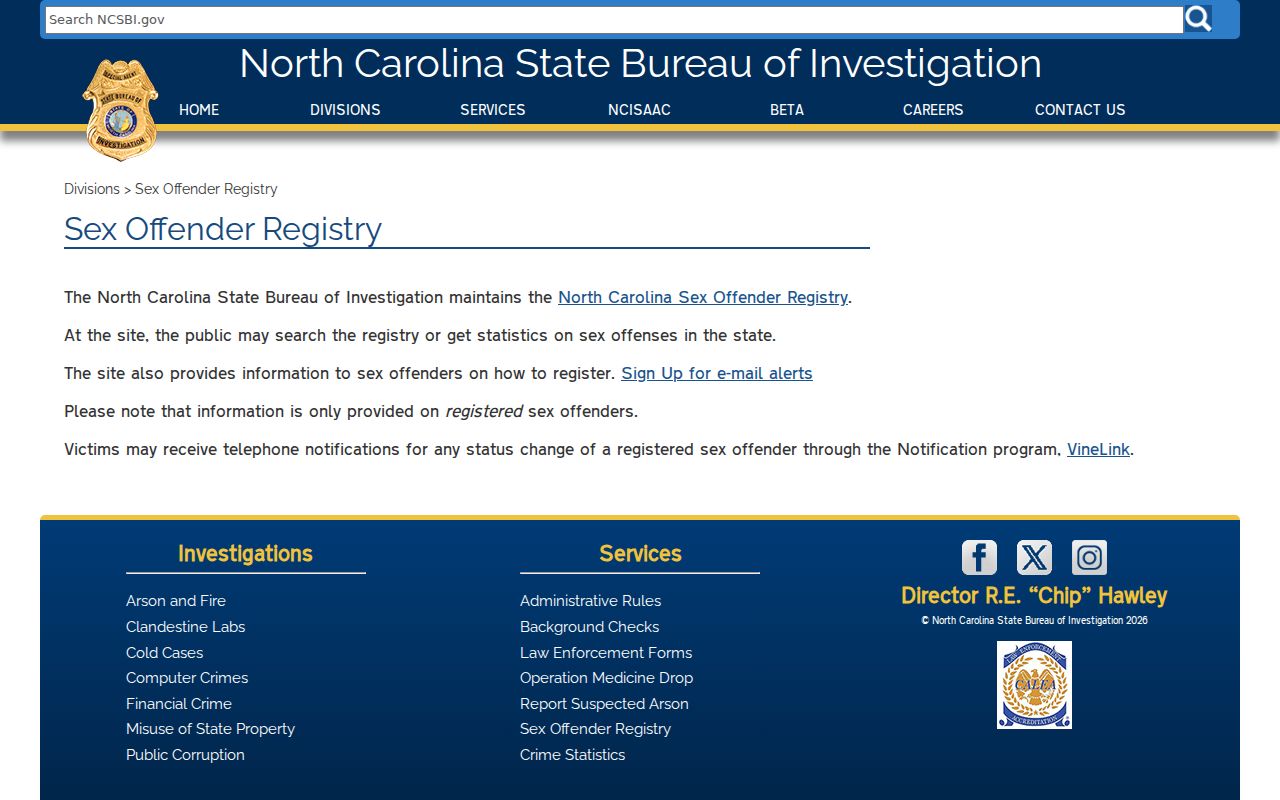
Only registered adult offenders are within that registry’s scope. An absence from either state tool does not prove the absence of another record. For a public court matter, return to eCourts and the clerk for the documented case route.
Garner Historical Name Leads
When a current record is thin, historical material can help distinguish people with the same name. Olivia Raney Local History holds Raleigh and Wake directory volumes, including Polk, Hill, and Wills-Smith title variants, many of them reference-only. DigitalNC supplies searchable scans for many North Carolina directories published before 1968. Search Garner, Garner’s Station, Raleigh, Wake, a surname, and an old street name, then verify OCR against the page image.
The Garner city directories collection route is the better place for reading historical entries, reverse directories, newspapers, and yearbooks in depth. An older entry is a dated snapshot. It may identify an address, relationship notation, or neighborhood sequence, but it does not establish where someone is today.
Business and professional records can also clarify a public entity connection. The North Carolina Secretary of State business search and the NCBOLD license directory describe entity, filing, or credential information. A registered office, annual report, permit, or license is not a private-residence record, so keep that distinction clear.
Note: Search Garner’s Station alongside Garner when a historical name or old road produces no useful directory or newspaper result.
Garner Resident Lookup Limits
North Carolina’s Public Records Act, N.C.G.S. Chapter 132, provides an inspection framework, but record-specific rules still protect birth data, juvenile and sealed court material, adoption records, medical and financial information, signatures, confidential voter addresses, and Address Confidentiality Program participants. N.C.G.S. § 163-82.10(e) allows qualifying voters to keep an address confidential. The North Carolina Address Confidentiality Program gives eligible survivors a substitute address route.
For an adoption or birth-family question, ordinary searches cannot open sealed records. Eligible people may use the state Confidential Intermediary process for permitted identifying or non-identifying information, and consent or a court process controls further release. If an official record is wrong, ask the office that created it for a correction, amendment, redaction, or notation procedure and provide its identifying number.
Lawful use. Use these Garner public records for personal, lawful research. North Carolina law does not permit using them to stalk, harass, threaten, or intimidate another person.