
Garner City Directory Holdings
Garner has no clearly verified standalone, long-running city directory in the sources reviewed. The useful historical shelf is regional: Raleigh and Wake County volumes may include Garner, Garner's Station, nearby communities, or countywide business listings. That distinction matters. A catalog holding proves that a volume exists, not that every edition names every Garner household. Check the title, coverage statement, street section, and page image before treating a result as local evidence.
| Collection | Years | Where held | Access |
|---|---|---|---|
| Chataigne's Raleigh City Directory | 1875-1876, 234 pages | DigitalNC | Free page images, text, PDF, and download |
| Raleigh directories, R.L. Polk and Hill | 1880-1881, 1887, 1891, 1896-97, 1899-1900, 1907-08, 1909-10, then many later runs through 2026 with gaps | Olivia Raney Local History | Reference use; ask staff about a particular volume |
| Wills-Smith criss-cross and cross-reference titles | Years not fully stated in the catalog | Olivia Raney and Wake catalog | Address-to-name route; consult staff |
| NARA Raleigh directory list | 1929-1931 | National Archives | Archival cross-check for the Raleigh run |
| New Bethel Baptist Church records | 1825-1997 | Digital and library finding aids | Confirm the original custodian before relying on a copy |
Use the digitized 1875-1876 volume for an early regional lead, then use the catalog shelf for later years. Gaps, duplicate reference copies, and changing title forms are all part of the record. A missing name can reflect a publication gap, different coverage, an indexing problem, or an unlisted household.
Garner City Directory Shelf Access
Wake County Public Libraries' catalog record identifies the Olivia Raney Local History holdings and the Raleigh directory call numbers. The shelf includes early call numbers for 1880-1881, 1887, 1891, 1896-97, 1899-1900, 1907-08, and 1909-1910, followed by later annual volumes. The catalog also records title changes such as Raleigh area-wide Polk directory, cross-reference directory, and business and consumer guide. Those titles are useful search terms when the simple phrase city directory misses a record.
The catalog view is shown in this Wake library directory record.
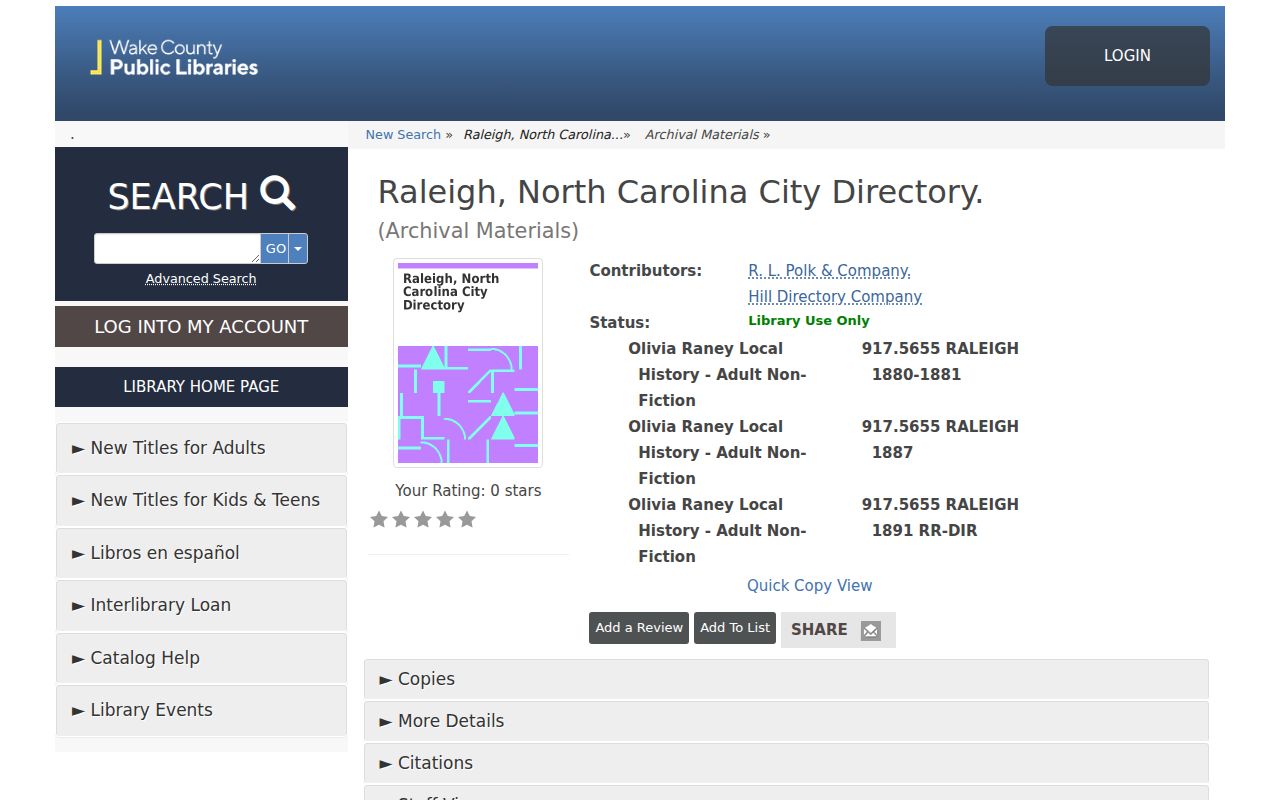
Many listed volumes are marked “Does Not Circulate” or “Consult Staff.” Olivia Raney Local History is at 4016 Carya Drive in Raleigh, and its published phone number is 919-250-1196. Plan on reference use or request a staff lookup rather than assuming a volume can leave the library.
Garner City Directory Publisher Clues
Publisher names help sort a regional directory trail. The Wake catalog identifies R.L. Polk & Company and Hill Directory Company on Raleigh holdings. It also names Wills-Smith Raleigh criss-cross directories, cross-reference editions, and business guides. Preserve the full title and year in notes because two books with similar names can organize people and addresses differently.
DigitalNC makes a different part of the shelf searchable. Its collection reports digitization of almost every North Carolina city directory it could locate before 1968. The 1875-1876 Chataigne Raleigh volume names J. Henry Chataigne and supplies page images, text search, PDF, printing, and download options. OCR is only a finding aid. Inspect the scan because column breaks and initials can be read incorrectly by text search.
For countywide context, Wake County Historical Society maintains preservation and local-history connections, including referrals useful when a catalog result needs context.
The society is a bridge to local-history organizations, not proof that it holds a particular directory page. Confirm the holding library, edition, and access rule before making a research trip.
Note: Regional Raleigh coverage may catch a Garner household, but it does not establish that a volume covers all of Garner.
Garner City Directory Timeline
The directory trail has several verified milestones, but it is not an unbroken Garner-only run. Keep the date and publisher beside every entry. That small habit makes it clear whether a result comes from a digitized regional volume, an Olivia Raney reference book, or a federal archival list. It also prevents a gap in one collection from being mistaken for a gap in local history.
- 1875-1876: DigitalNC's 234-page Chataigne Raleigh volume provides the earliest inspected regional directory route.
- 1880-1881: Olivia Raney's catalog starts its verified early Raleigh shelf, followed by listed 1887, 1891, 1896-97, 1899-1900, 1907-08, and 1909-1910 volumes.
- 1929-1931: NARA's circa-1930 directory list records Raleigh runs that can serve as an archival cross-check.
- Later years: The Wake catalog lists many annual volumes from 1925 through 1987-88, 1990-1997, and 2000-2026, with gaps and duplicate reference copies.
The 1974 Town Hall fire affected most municipal records, not the county and library collections described here. For a hard-to-find household, the best response is to move between the next surviving directory, deed, newspaper, church, census, or archive source.
Reading a Garner City Directory Entry
A directory line is dense by design. The DigitalNC family-research guidance supports a core inventory of address, occupation, spouse, race, owner or renter status, and neighbors. Polk and Hill entries can also use a surname-first form, a firm or employer, and a short code. Read the front matter before expanding any code. Widow, boarding-house, residence, and owner marks are historical conventions, but the meaning can change by publisher and year.
| Name | Usually surname first, sometimes with initials, a spouse notation, or a firm name. |
|---|---|
| Address | A street address when listed; check whether it is a home, business, or boarding address. |
| Occupation or firm | Work description, employer, business category, or firm connection when the edition includes it. |
| Household notation | Spouse, widow or widower, and boarding notation can be clues, not final proof of a relationship. |
| Occupancy mark | An owner or renter mark may appear; verify its meaning in that volume's abbreviation key. |
| Street sequence | Nearby entries can supply a block context, especially in a reverse section. |
- Criss-cross directory
- An address or street-order section that points from a location back to a listed person or firm.
- Householder index
- A listing organized around a household head rather than a complete census of every person present.
- Abbreviation key
- The publisher's decoding page, normally in the preliminary pages, that gives historical shorthand its proper meaning.
Copy the directory's spelling exactly, including initials and marks. A modern transcription should be a separate note, not a replacement for what the volume actually printed.
Note: Photograph the publisher's abbreviation key with the entry, because a mark can change meaning from one directory edition to another.
Search Garner City Directories Digitally
DigitalNC's city-directory collection is the online route for searchable historic North Carolina directories. Search a surname with Garner, Garner's Station, Raleigh, Wake, a street, or a trade term. On the Chataigne volume, page navigation and text search make it practical to check a hit in context. Save the page number and image, because the text layer can join separate columns or misread initials.
Wake County Historical Society resources offer another starting point for local-history referrals and supporting materials.
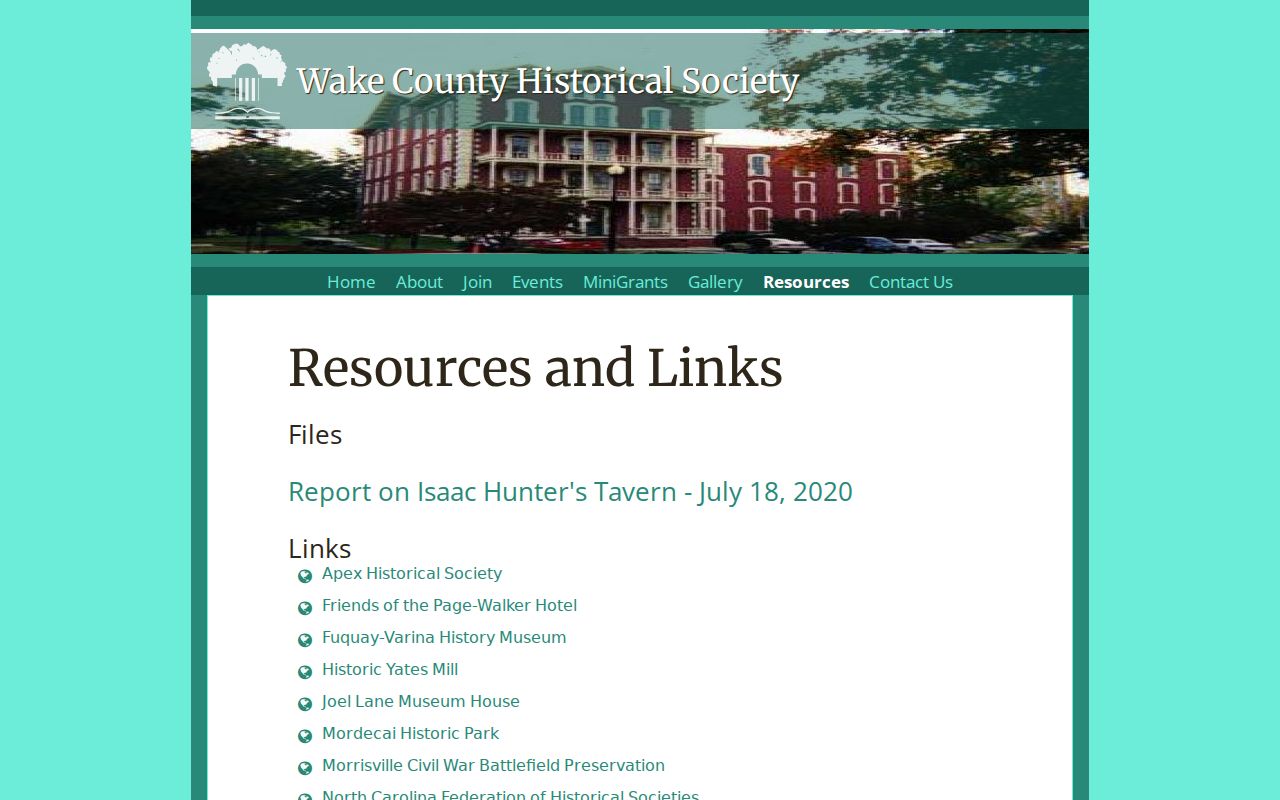
Use newspapers, maps, and local-history material beside the directory rather than trying to force a single annual volume to answer every question. The library's reference staff can help identify a particular newspaper run or directory title when catalog detail is incomplete.
Garner City Directories Are Not Town Rolls
A city directory is an annual publication, not a census or a current roster. An entry can be absent because the household moved, was missed, used another name, appeared under a business, lived in an area outside that edition's reach, or fell in a gap between held volumes. A name in the book also does not settle legal identity, property ownership, or a present address.
Garner's regional history adds more caution. Old records may use Garner's Station, railroad references, church communities, old road names, or rural descriptions. The town incorporated as Garner's Station in 1883, lost its charter in 1891, and was reincorporated as Garner in 1905. Try each name form before deciding that a directory search failed.
Trace Garner City Directory Households
Start with a year, surname, or address that is already tied to a household. In a reverse or criss-cross section, find the address first and then verify the person in the alphabetical section. Record the entry's printed address, household notation, occupation, and abbreviations. That creates a dated record to compare with the next available year.
- Find the earliest reliable directory entry and save its page image, title, publisher, and year.
- Check the year before and after, keeping separate notes for a changed address, spouse notation, firm, or spelling.
- Use the reverse section when present to compare the address and nearby sequence with the alphabetical listing.
- Pair the directory date with the 1930, 1940, or 1950 federal census. The 1960 census becomes public in 2032 under the 72-year release rule.
- Confirm an ownership question through the Wake tax and deed records, and use an obituary, probate file, church record, or newspaper to explain a later gap.
A disappearance needs several possible explanations. It can indicate a move, death, spelling change, seasonal or boarding status, a new publisher, or no listing at all. The historical volumes are the right starting point, while the Garner street directory uses modern parcel records when the question is about a current address.
Garner Directory Companions
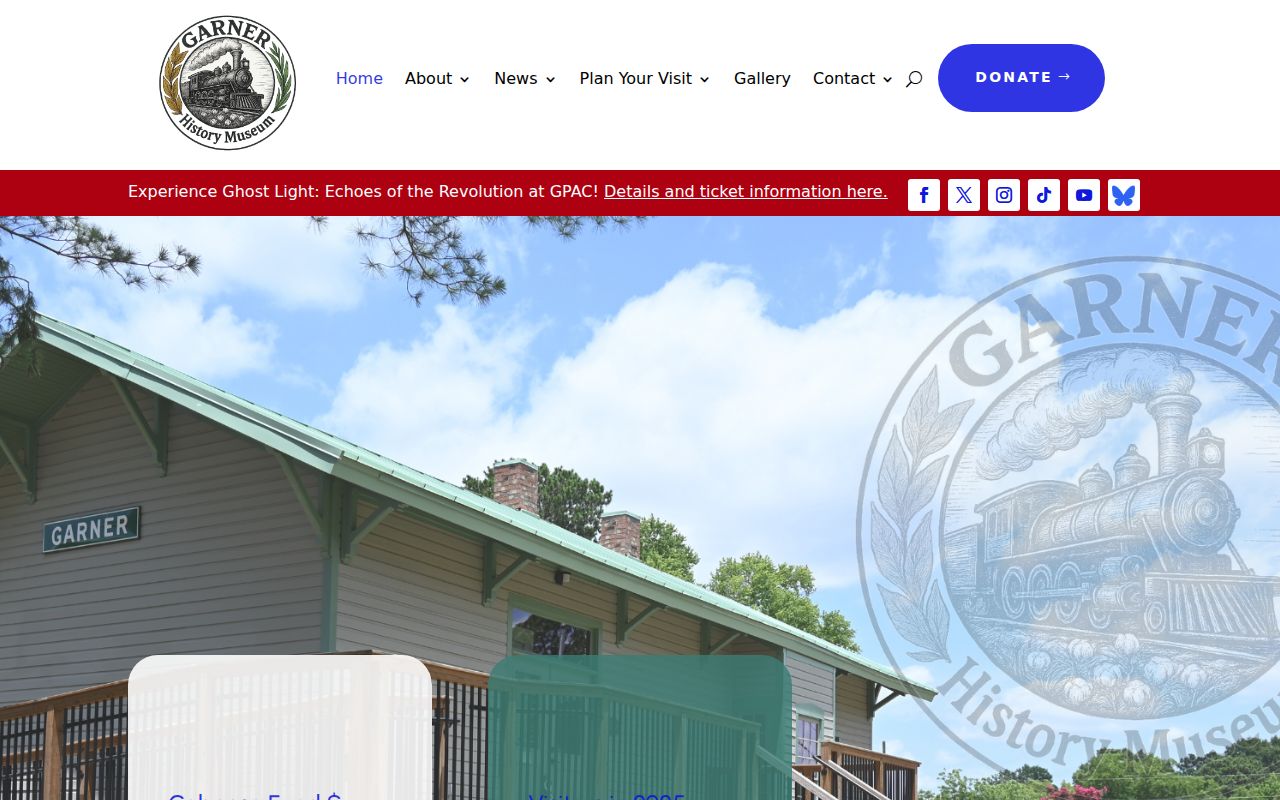
Directory work improves when it includes local collections that describe people who may not be easy to find online. The Garner History Museum at the Depot has a genealogy library with local family histories and Wake and Johnston references. It is volunteer staffed, so confirm research availability, appointments, and reproduction terms before visiting. Published local sources also point to Woman's Club materials, family histories, cemetery research, church records, and civic material.
The museum's local-history work is introduced on its official site.
New Bethel Baptist Church records are identified in finding aids for 1825-1997, and local newspapers can add obituaries, civic roles, road projects, or public notices. Ask the museum, Olivia Raney, or the State Archives about the actual custodian instead of assuming a complete public index exists.
Note: A historic directory helps reconstruct a dated household trail, while current records require a separate, official check.